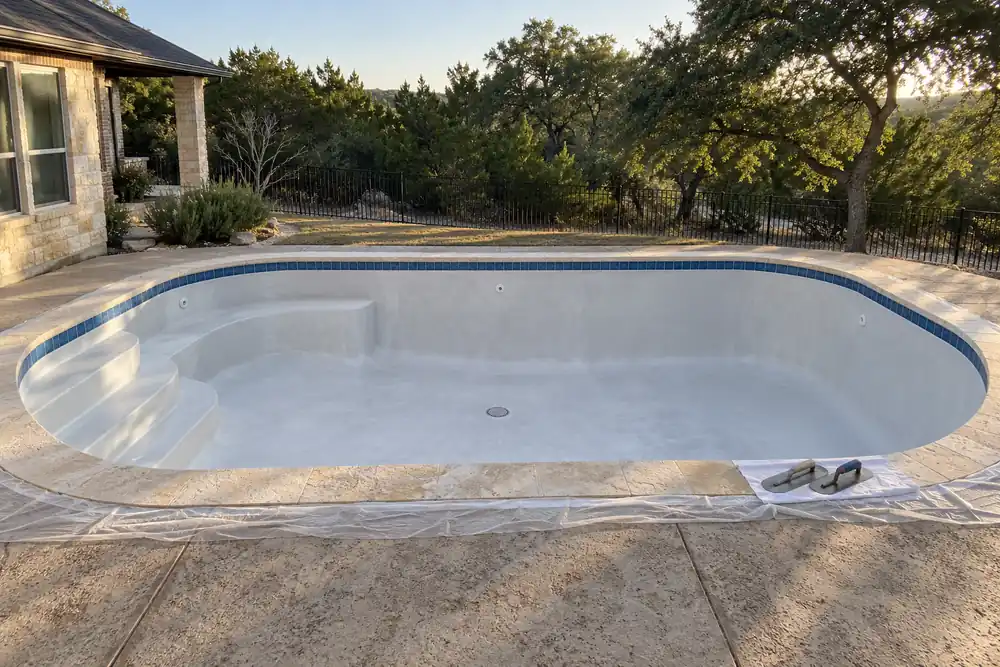
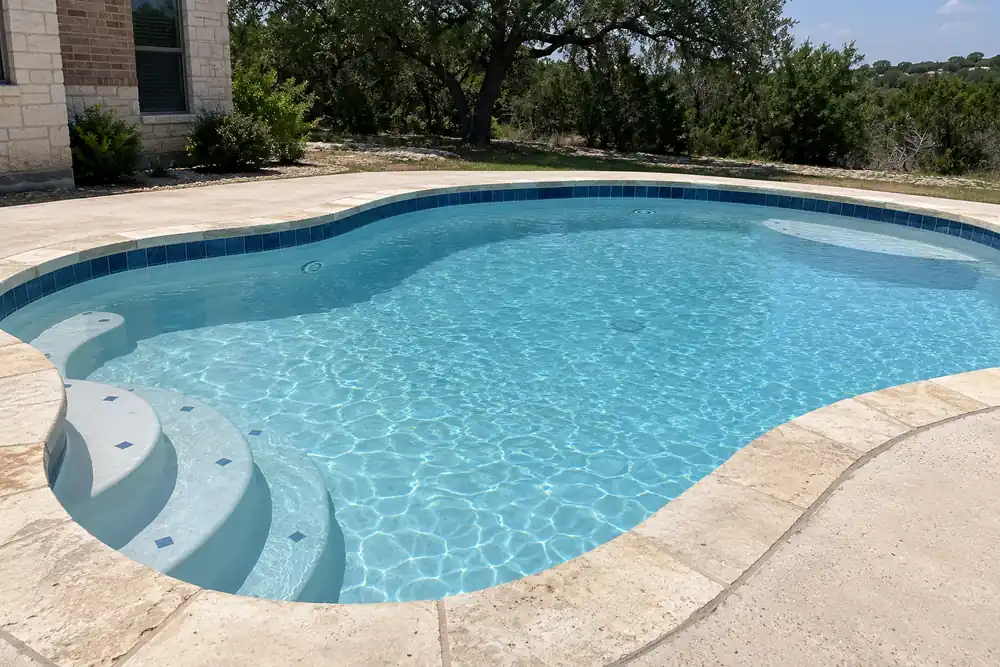
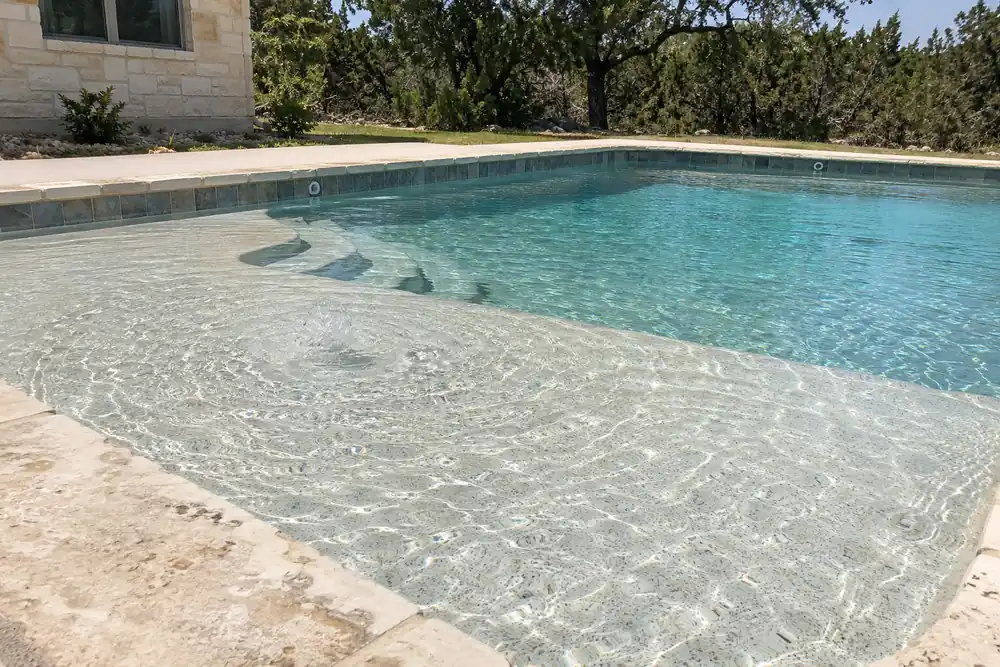
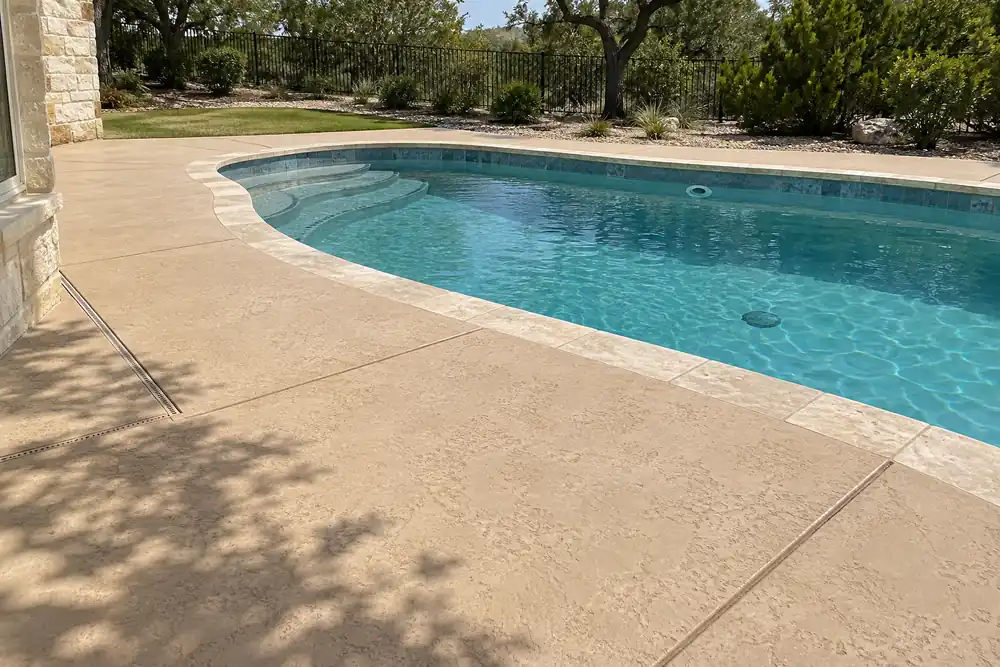
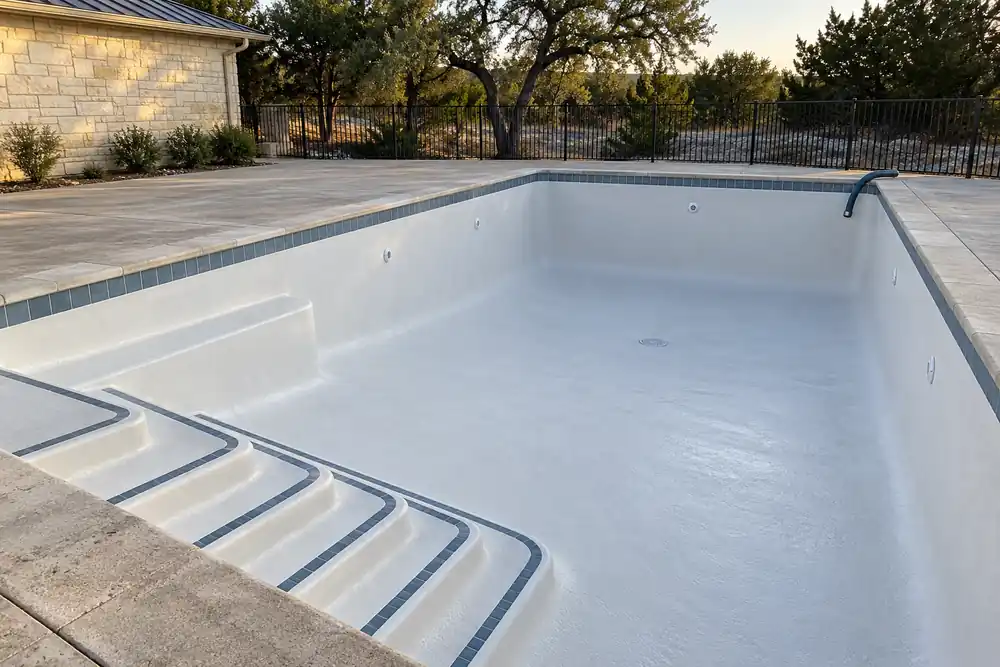
Pebble Pool Finishes in Leander, TX
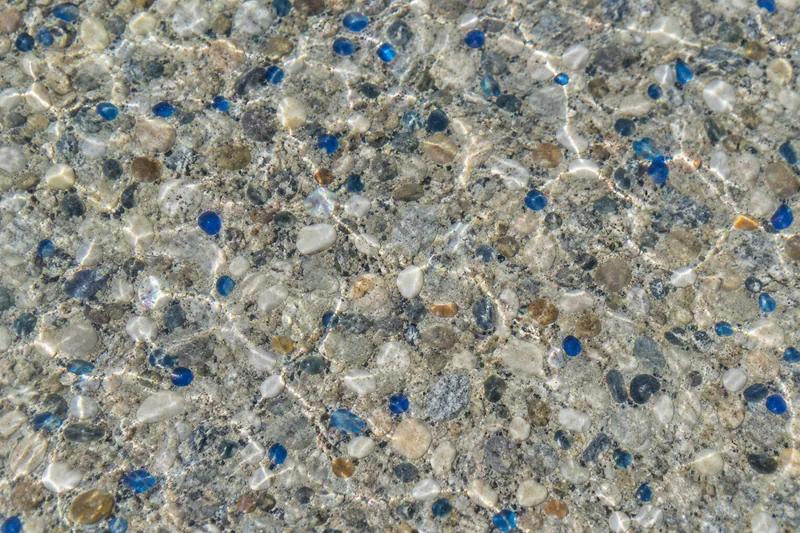
Leander Pool Resurfacing installs pebble pool finishes in Leander, Texas: exposed-aggregate interiors such as PebbleTec, PebbleSheen, PebbleFina and NPT's StoneScapes, with or without glass beads. Pebble Technology International has made pebble finishes since 1987, and the National Plasterers Council calls pebble the most durable surface available, because river pebble is chemically inert and unlikely to react with pool water.
Call or send the form for a free estimate. We'll talk through pebble size, color and glass bead options, how the finish suits Leander's hard fill water, and the start-up after the fill.
Call or request a free estimate any time, 24/7
No charge · answered 24/7
Get free estimates
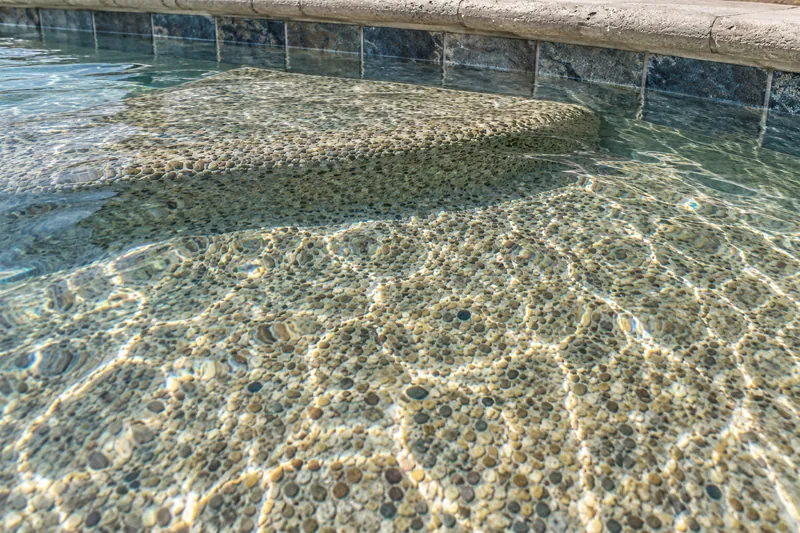
Pebble finish options: stone size, glass beads and polish
Regular, mini and micro pebble
Pebble Technology International's line runs from coarse to smooth: the original PebbleTec uses its largest stones, PebbleSheen, its most popular, slightly smaller pebbles, and PebbleFina its smallest, for the smoothest aggregate finish it makes. NPT's StoneScapes comes in Regular, Mini and Micro; NPT says Mini has been the most popular size for over 15 years and that Regular pebbles, though smooth, can be felt underfoot.
Glass beads and shell
Some blends add glass beads, abalone or mother-of-pearl for sparkle. NPT adds colored glass beads to any StoneScapes finish in a 1, 2 or 3 bag formula, and Pebble Technology International says the smooth beads in PebbleBrilliance add foot comfort as well as color. Glass finishes usually need different exposure methods from pebble, the maker notes.
Polished pebble
PebbleBreeze, Pebble Technology International's smoothest finish, is buff-polished and blends pebble with glass beads and shell. The National Plasterers Council rates polished finishes an 8 to 12 year surface, against 12 to 18 for pebble; we install polished pool finishes as well.
Pebble, quartz or plaster
The Council lists pebble's drawbacks plainly: a slightly more textured surface, a higher cost, and damage still possible under the most extreme water chemistry. Quartz pool finishes are smoother and rated 10 to 15 years, and SGM, which makes the quartz Diamond Brite, says pebble's texture hides minor staining better than a smooth, light quartz surface. Pool replastering in white plaster is the budget end, and side by side, pool finishes trade cost against surface life.
For a free estimate on a pebble finish, call Leander Pool Resurfacing or send the form.
Call or request a free estimate any time, 24/7.
(737) 212-9378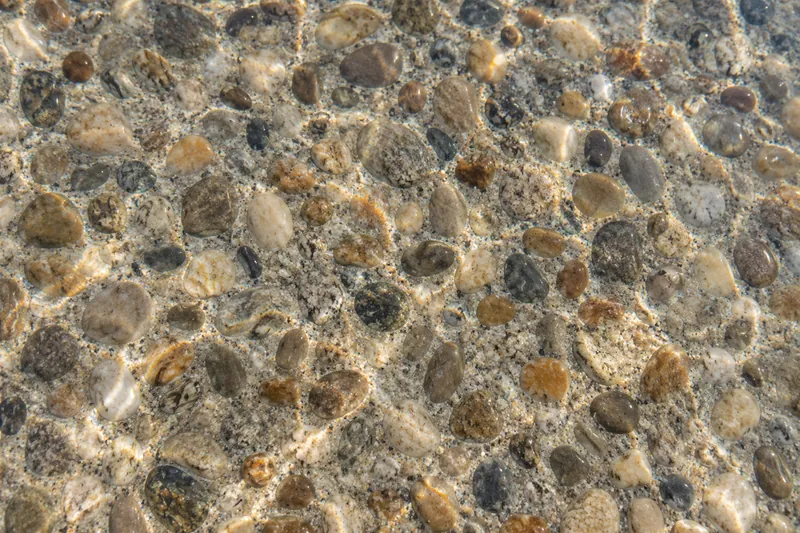
What goes into a pebble finish and how it is installed
NPT's StoneScapes is naturally occurring quartz pebble, specialty aggregates, iron oxide pigments and white Portland cement, with NPT's Lobo modifier (pozzolan, polymer and water-repellent chemistry) in every batch; NPT gives it 9,000 to 10,000 psi at 28 days. Pebble Technology International screens each stone for size, from sources ranging from New Zealand to Chile, for a uniform texture.
Two coats and hard troweling
The mix is pumped, sprayed on and hand-troweled by applicators in spiked shoes. Pebble Technology International specifies two coats, a hard-troweled scratch coat for a mechanical bond and then the finish coat, cut back at least 1/2 inch where it meets tile, with no beveled edges and no stops that leave cold joints. NPT applies StoneScapes 3/8 to 1/2 inch thick, rinsing off cement paste and hard troweling at least three times, and fills spike holes with aggregate and cement, not just cream.
Exposure and the acid wash
NPT acid-washes StoneScapes once it is hard, at least 4 hours and most often the next day, ideally with a three-person crew, then pressure-washes it; relying on acid alone, it warns, leaves the finish underexposed. For PebbleSheen, Pebble Technology International lightly scrapes off loose stones the day after, acid-washes, then fills right away without stopping, and NPT keeps the hose in the deepest spot, never lying on the new finish.
Who installs it
Pebble Technology International doesn't sell its finishes to homeowners; only its trained certified builders and authorized installers buy and apply them. Leander Pool Resurfacing will talk through the maker's terms for the finish you choose.
Call or request a free estimate any time, 24/7.
(737) 212-9378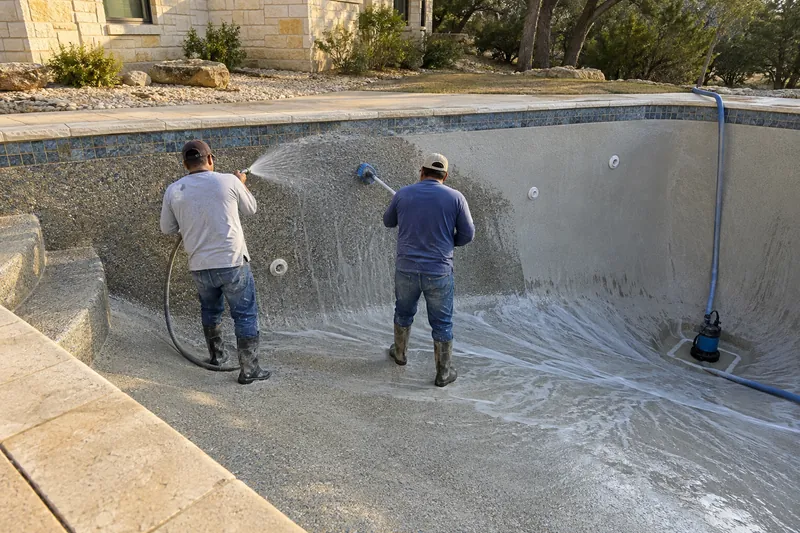
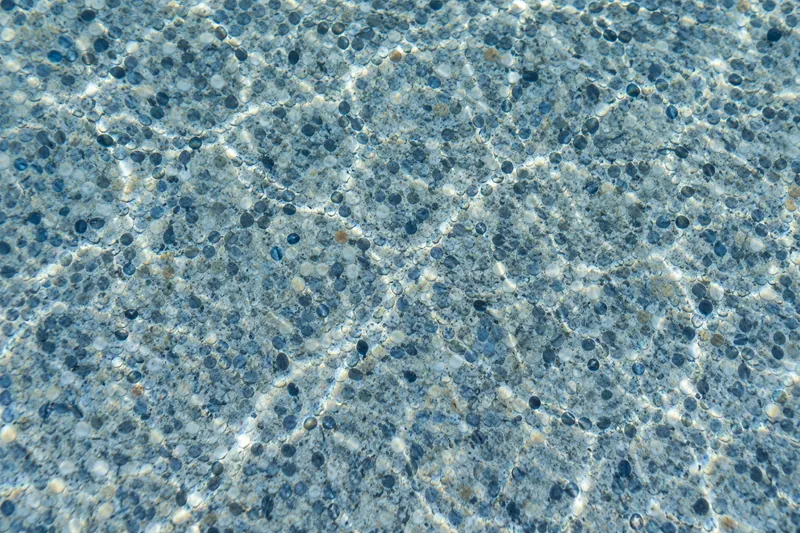
The first 28 days with a new pebble finish
Brushing and filtration
Pebble Technology International's own documents differ: its care page brushes three times a day for 3 days, then twice a day for 10, while its planning guide brushes three times a day for 7 days, then twice daily for 3 weeks. Its start-up procedure runs the filter nonstop for at least seven days, or until no plaster dust is left. Nylon, nylon-and-stainless or polypropylene brushes suit its exposed finishes, nylon only for the smoother PebbleFina and PebbleBreeze.
Water balance during start-up
Its start-up range for high-performance finishes is pH 7.0 to 7.4, alkalinity 80 to 90 ppm and calcium hardness 200 to 250 ppm, and adding acid daily for the first two weeks is normal, because plaster dust raises pH and calcium. Watched loosely, the dust sticks and leaves stains or roughness. The maker also says no soft-water fill, no heater for 14 days, no salt for 28, and about 28 days before judging the final color; a small loss of pebbles at start-up is normal.
Call or request a free estimate any time, 24/7.
(737) 212-9378Pebble finishes in Leander's water and weather
Hard Lake Travis water
Leander's 2024 water report lists hardness of 194 ppm, alkalinity of 156 ppm and pH 8.2. River pebble is chemically inert, but the Council notes that even pebble surfaces can suffer under the most extreme water chemistry, and it keeps the saturation index between 0.0 and +0.3, where the water neither scales nor etches. Pebble Technology International asks for water tests at least once a week and printed reports kept for any warranty claim.
Freezes and the waterline
Pebble Technology International doesn't recommend PebbleTec out of the water and doesn't warrant it against freeze-thaw damage. Camp Mabry logged 17 freezing nights in 2025 and fell to 18°F on January 26, 2026, and the Council advises keeping at least 4 inches of water over steps, benches and sun ledges at the waterline.
Installing in cold or hot weather
Pebble Technology International installs in cold weather only when the daily average is above 40°F and the shell isn't frozen, and NPT keeps a new finish from freezing for 48 hours so it reaches 500 psi. Camp Mabry's average first freeze is December 1 and its last February 15; in summer heat, absorbent shells are wetted evenly before the finish goes on.
Outside the city, Leander Pool Resurfacing also installs pebble pool finishes in Brushy Creek.
Call or request a free estimate any time, 24/7.
(737) 212-9378Pebble finish cost in the Austin area
Typical Austin-metro prices for 2026 put a pebble aggregate finish at $8,000 to $13,000 on a standard residential gunite pool, and an Austin cost guide prices pebble at $9.80 per square foot. Nationally, pebble resurfacing averaged $7,000 to $15,000 in 2025. Access to the pool and the condition of the old surface move the price, and a national Pebble Tec guide puts the process at 1 to 2 weeks.
These are published figures, not prices from Leander Pool Resurfacing; the real number needs a look at your pool, and the estimate is free. Pool resurfacing cost in Leander runs by finish, and pebble sits near the top.
- Pebble aggregate, gunite pool, Austin metro (2026)
- $8,000–$13,000
- Pebble, per sq ft, Austin (2026)
- $9.80
- Aggregate finish, concrete pool, Austin (2026)
- $7,000–$10,000
- Pebble finish, national (2026)
- $9,000–$20,000+
Typical Austin-area prices and national averages. Not a quote.
Call or request a free estimate any time, 24/7.
(737) 212-9378Pebble pool finish questions
How much does it cost to resurface a pool with Pebble Tec?
National 2025 figures put Pebble Tec resurfacing at $10 to $20 per square foot, or $4,000 to $16,000 for a typical 400 to 800 square foot backyard pool, rising to $8,000 to $20,000 for 800 to 1,000 square feet. In the Austin metro, a pebble aggregate finish runs $8,000 to $13,000 in 2026 on a standard residential gunite pool.
Which pool finish is better, quartz or pebble?
It depends on what matters to you. The National Plasterers Council rates pebble a 12 to 18 year surface and quartz 10 to 15, calls pebble the most durable, and notes it is more textured and costs more. In the Austin metro, quartz runs $7,000 to $11,000 against $8,000 to $13,000 for pebble (2026). Quartz feels smoother; pebble hides minor staining better, per SGM.
Is PebbleTec worth it for a pool?
Spread over its life, it can cost about the same per year as plaster. A Houston builder's 2026 math puts plaster at $5,250 over 9 years and a StoneScapes pebble finish at $8,750 over 15 years, both about $585 a year. The Council's surface-life figures point the same way: 12 to 18 years for pebble against 5 to 8 for traditional white plaster.
How often does a pebble tec pool need to be resurfaced?
The National Plasterers Council rates pebble a 12 to 18 year surface. SGM cites industry averages of 10 to 20 years for exposed pebble, without naming a source, and Pebble Technology International's material warranty runs 5 years, which is a warranty term, not a lifespan. Pebble Technology International lists hollow walls, cracks, leaks and loose pebbles among the problems that usually start a new project.
What is the most expensive type of pool finish?
Tile. National 2025 figures put a full tile finish at $8 to $30 or more per square foot, against $7 to $15 for pebble, $7 to $10 for quartz plaster and $6 to $8 for standard plaster, and 2026 national ranges run tile resurfacing at $20,000 to $50,000 or more. Among cement-based finishes, SGM says its polished Durazzo sits at a higher price point because of its natural marble and the extra polishing step.
Get a free pebble finish estimate
Leander Pool Resurfacing answers calls and estimate requests 24/7 for pebble pool finishes in Leander and nearby towns. Tell us the pool's size, its finish now and the look you want.